



.avif)
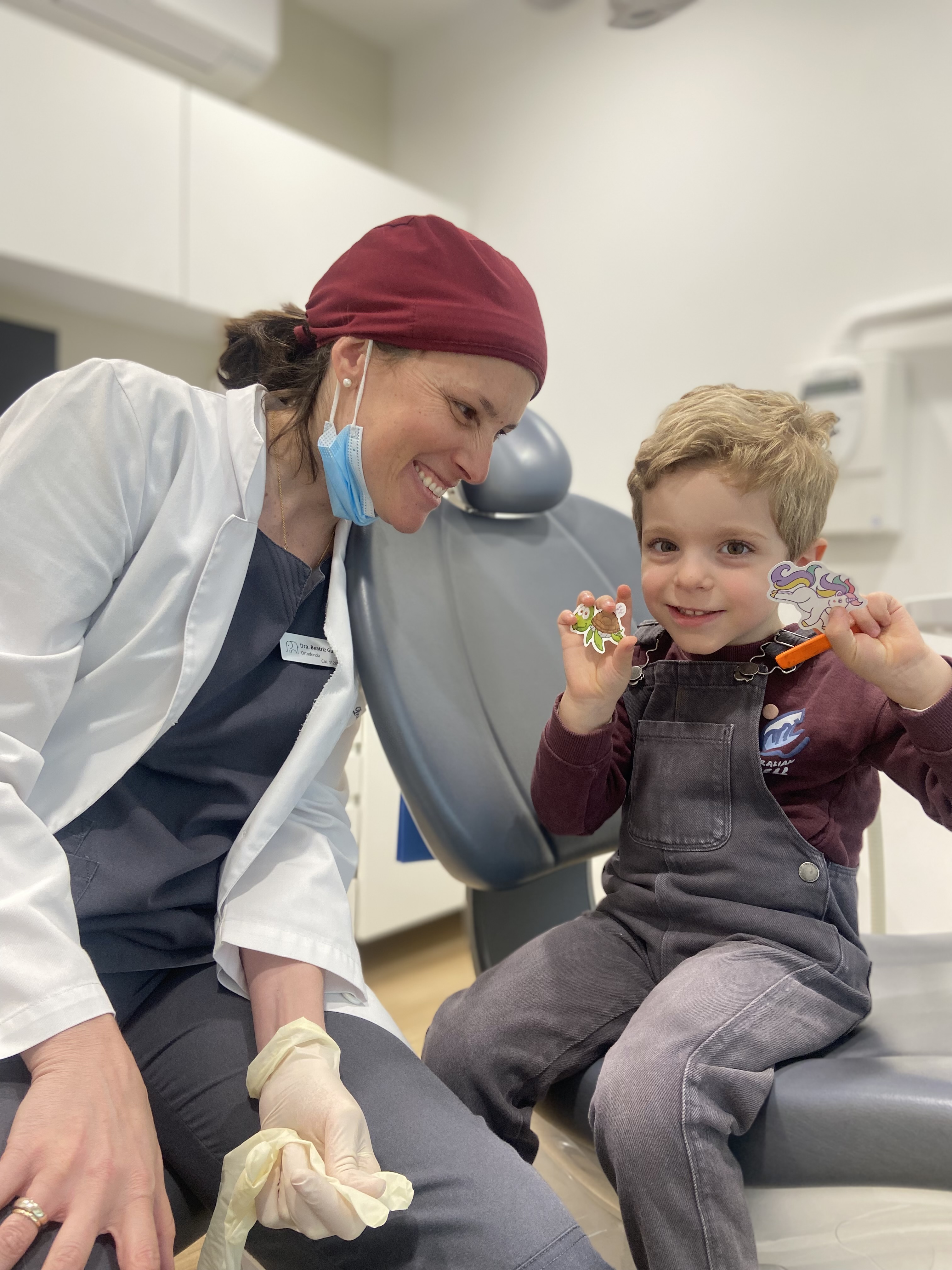
Understanding child psychology and managing behavior are crucial for motivating them, ensuring safety during treatments, and making them happy to visit the dentist.
BOOK YOUR APPOINTMENTPediatric dentistry is the branch of dentistry dedicated to the oral health care of children, from infancy until they complete their dental transition. Baby teeth can also develop cavities, and it's important to treat them as soon as possible.
At Ortodoncia Gutiérrez Mosquera, we have dedicated pediatric dentists who have undergone specialized training in this field. Understanding child psychology and managing behavior are crucial for motivating them, ensuring safety during treatments, and making them happy to visit the dentist.
The most common treatments in pediatric dentistry include fissure sealants, fluoride applications, fillings, and pulp treatments. Dental trauma and children's orthodontics are also very common. Early detection of a malocclusion is essential for correction.
Additionally, we also care for children with special needs and/or medically compromised conditions.
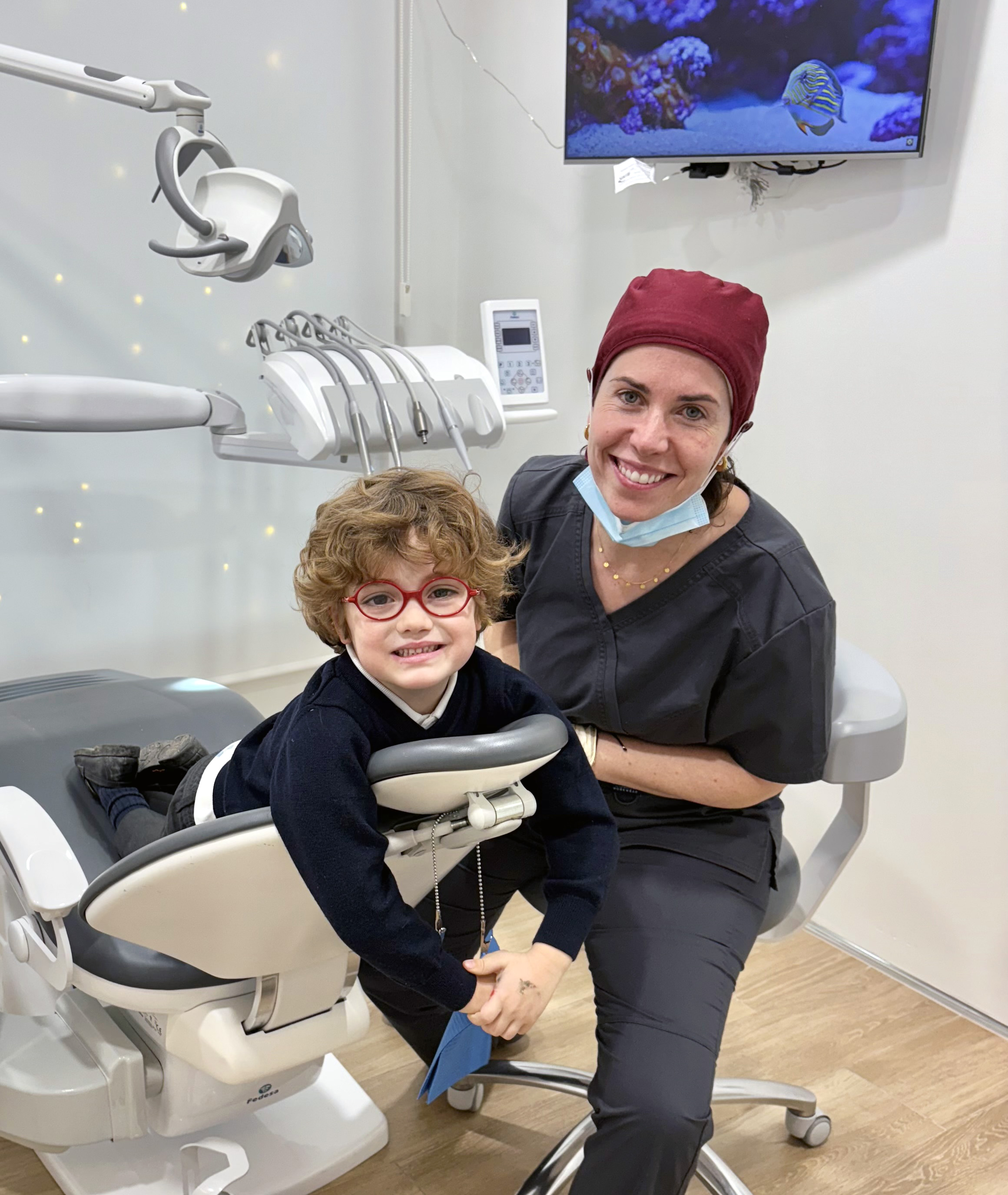
At Ortodoncia Gutiérrez Mosquera, we like to meet children from a very young age (when their teeth first start to erupt). From an educational perspective, they'll see that going to the dentist can be fun, and from a professional standpoint, we'll be able to monitor the normal eruption of their teeth, intercept any emerging pathologies or habits, and assess jaw growth.
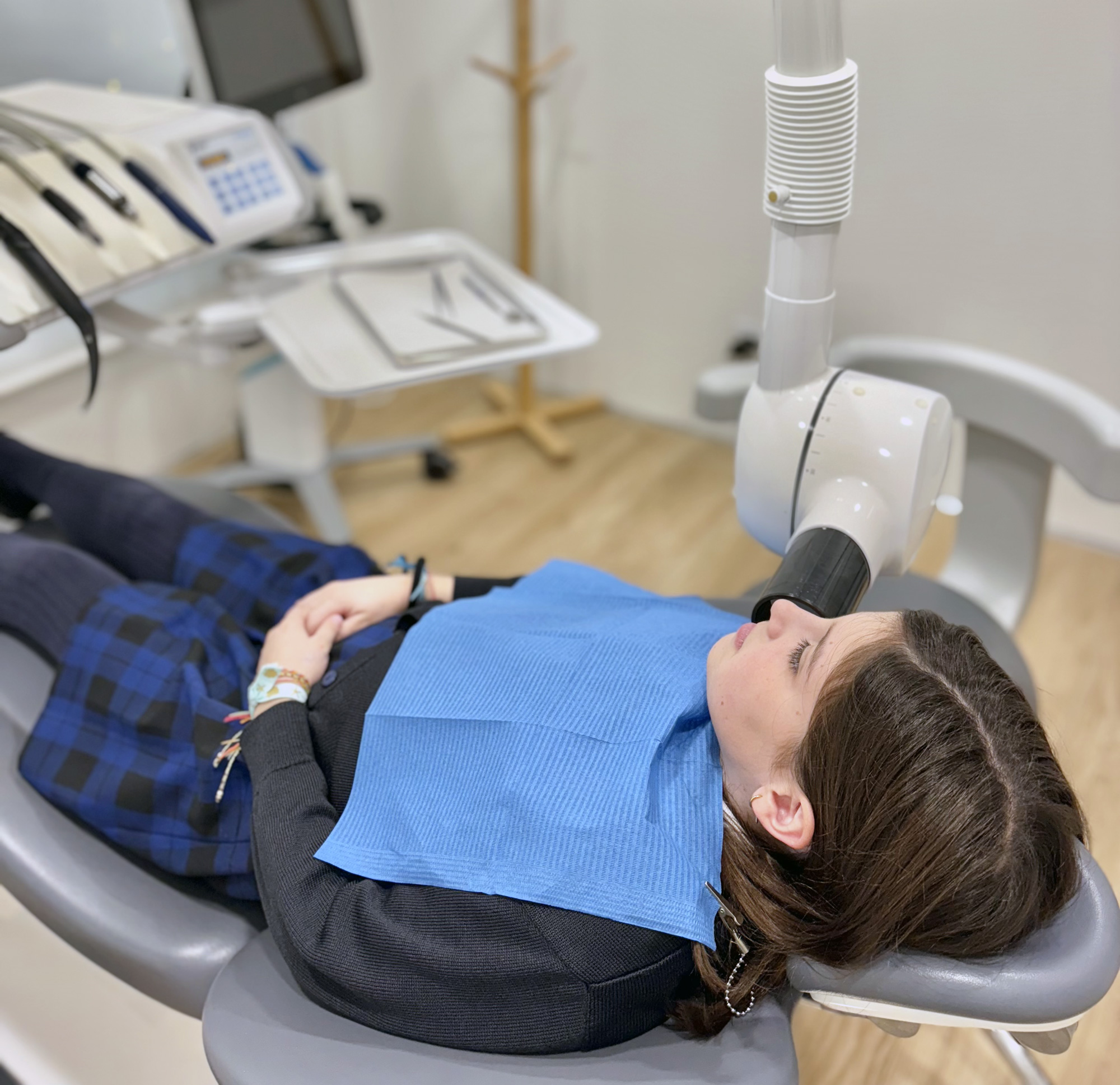
It's recommended that the first visit takes place when the first baby teeth start to emerge. During this initial visit, the pediatric dentist will provide instructions on hygiene, diet, and habits, and the child will begin to get comfortable with the clinic and the doctor.
Later, the child's teeth, gums, and bones will be examined. Depending on the child's age and specific needs, we recommend check-ups every 6 or 12 months. It's important to prevent and early identify any developing pathology or habit.
Orthodontic treatments are usually performed starting at age 6. It's crucial not to wait until growth is complete, as the bones can no longer be molded effectively then.
We are committed to answering all your questions as quickly as possible.
In the event of any trauma to primary teeth, it is important to consider the relationship between the apex of the primary tooth and the developing permanent tooth germ. Trauma to primary teeth can cause malformations or alterations in the eruption of permanent teeth. They are often accompanied by soft tissue injuries, typically wounds to the lips and frenulum, which can cause significant bleeding. Good oral hygiene is recommended for proper healing.
When there is trauma to a permanent tooth, it is essential to see a dentist urgently. Depending on the degree and type of trauma, the time taken to perform the necessary dental treatment can affect the predictability of this treatment, sometimes leading to tooth loss. As with primary dentition, they can be accompanied by soft tissue injuries, and good oral hygiene is essential to aid healing.
Cavities are a disease caused by bacteria in the mouth, often as a result of insufficient oral hygiene or poor eating habits. They are also influenced by factors such as saliva, malocclusion, or anomalies in tooth formation. Untreated cavities in primary teeth can affect the formation of the permanent tooth germ, which is why it is very important to prevent them and treat them if they appear.
It is a material placed in the pits and fissures of teeth susceptible to cavity development, acting as a physical barrier through micromechanical bonding to the tooth, which prevents access by cariogenic bacteria. Pit and fissure sealants are used as a preventive measure against cavities.
The main goal of pulp treatment in primary dentition is to keep the tooth in the mouth until its physiological exfoliation occurs. The best space maintainer is the tooth itself. Therefore, in teeth affected by trauma or cavities, pulp treatments such as pulpotomy (partial removal of the dental pulp) or pulpectomy (total removal of the dental pulp) are performed.
Pediatric orthodontics is more effective than at other ages because the bones are still forming, and with the use of different appliances, severe bone problems can be prevented or corrected that cannot be corrected in adulthood. It is advisable to visit an orthodontist at an early age (no later than 4 years old) for an initial diagnosis. If necessary, treatment will begin around 6 years of age.