



.avif)

The foundation of a healthy, lasting smile. We prevent, diagnose, and treat gum diseases and dental supporting tissues with a precise and conservative approach.
BOOK YOUR APPOINTMENTPeriodontal treatment involves the care and maintenance of the supporting tissues of the teeth, such as the gums, periodontal ligament, and alveolar bone. It is one of the most important and basic treatments in dentistry and is performed through dental prophylaxis, scaling and root planing, and other periodontal procedures.
Treating and restoring the tissues surrounding the tooth is one of our clinic's fundamental objectives. This ensures the natural tooth remains in the mouth for as long as possible and prevents general bone loss.


The main risk factors for periodontal disease are the accumulation of bacterial plaque and tartar, tobacco use, diabetes, genetics, and the presence of defective dental restorations. Periodontitis primarily differs from gingivitis by the presence of bone loss.
Los injertos de encía son aquellos procedimientos quirúrgicos destinados a compensar la recesión o el adelgazamiento de la encía.
Son procedimientos muy habituales y sirven para recuperar la encía perdida y/o para frenar la pérdida de la misma. Además reducen la sensibilidad dentaria que se produce al quedar la raíz del diente al aire por lo que gracias ellos se logra mejorar mucho la estética y la función de la boca del paciente.
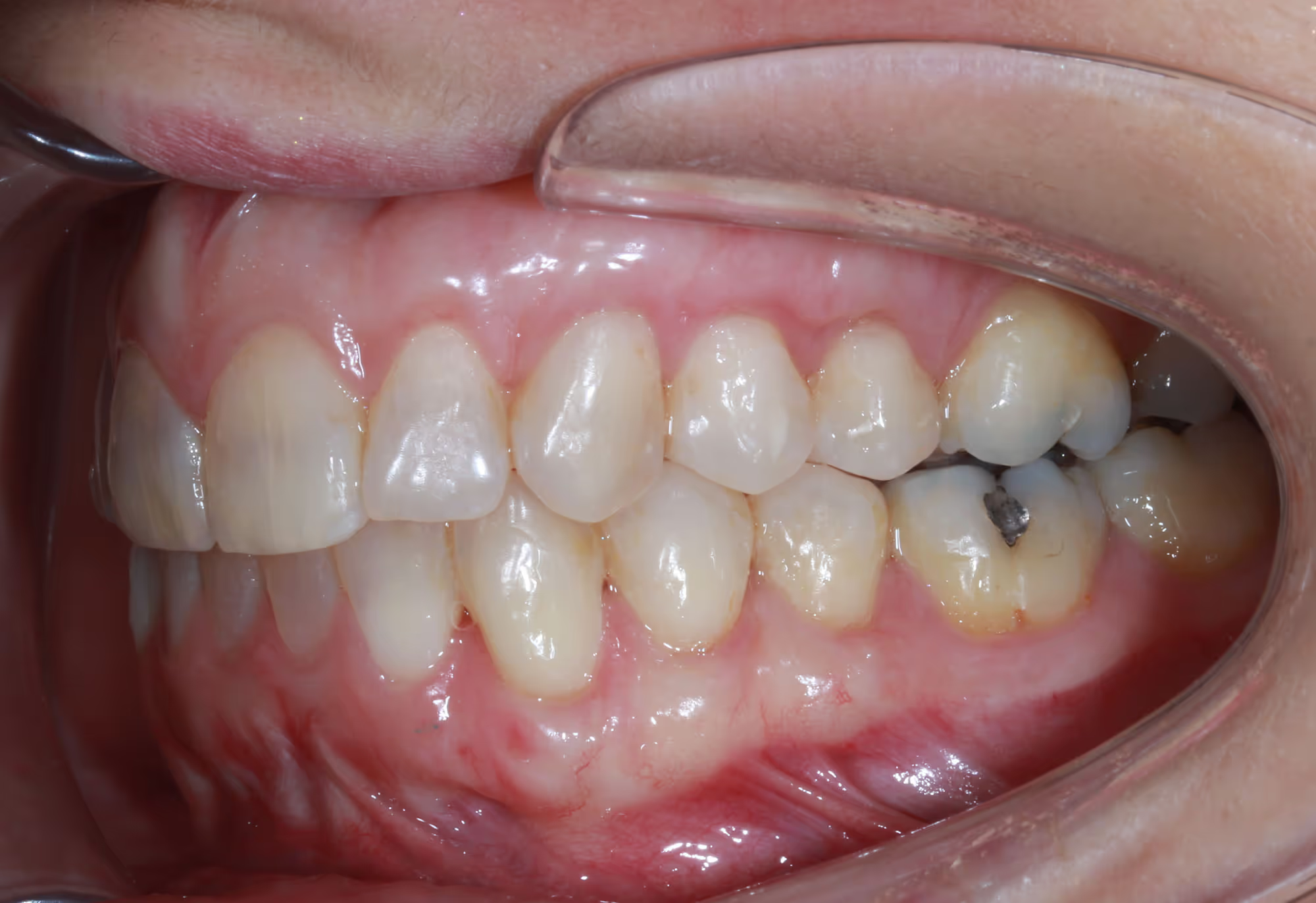
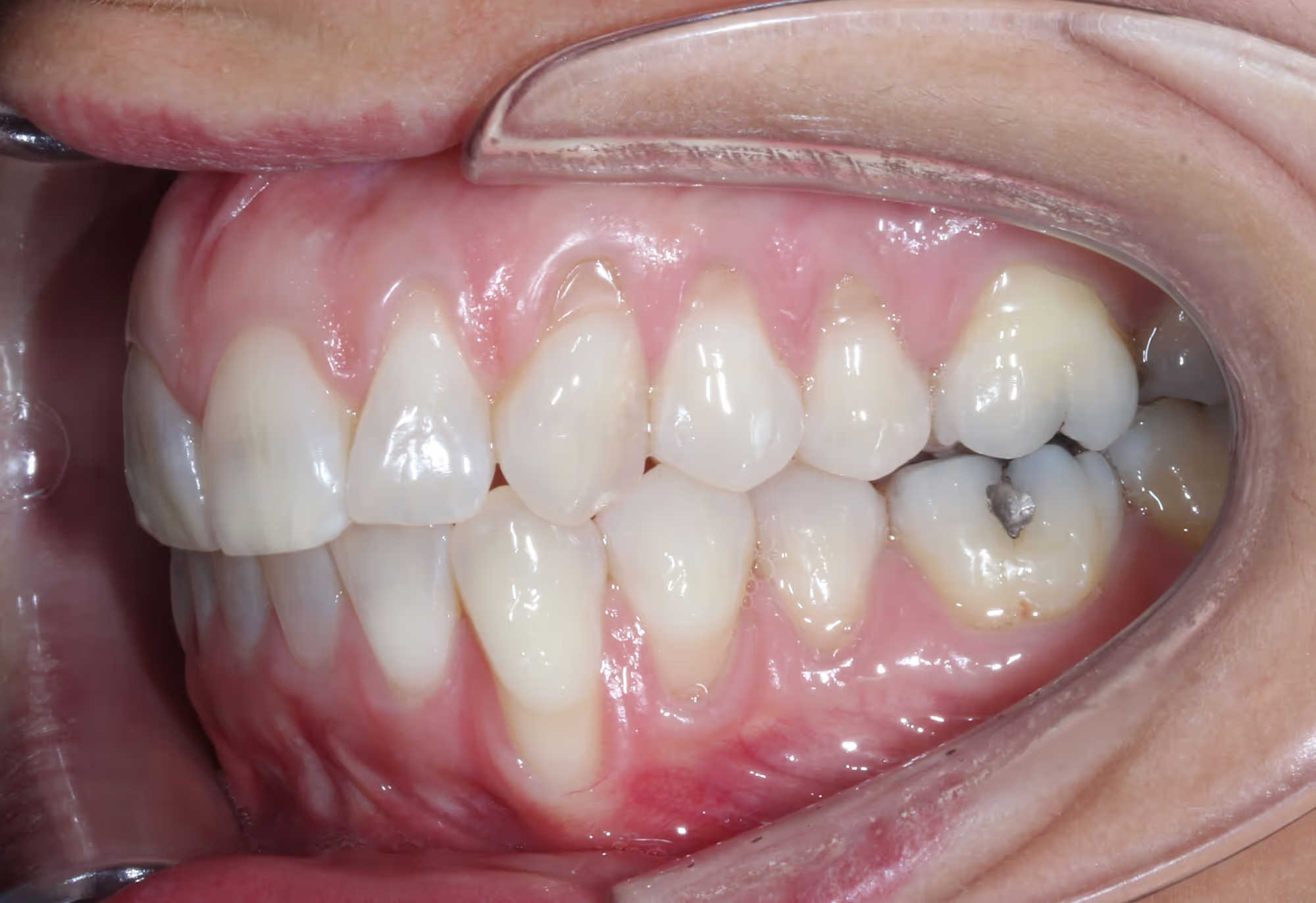
El injerto de encía consiste en extraer un fragmento de tejido (del paladar habitualmente) para colocarlo en la zona donde se necesita mejorar el volumen o el espesor de la encía.
Se trata de una cirugía que tiene como fin restaurar el tejido perdido por recesiones gingivales localizadas o encías retraídas, un fenómeno progresivo que ocurre a consecuencia de muchos factores.
La pérdida de encía debe tratarse porque favorece la aparición de caries radicular, aumenta la sensibilidad dental y está asociada a la pérdida de dientes y a problemas estéticos.
La Dra. Mónica Martínez es cirujana y periodoncista y posee una gran experiencia en la realización de todo tipo de injertos.
We are committed to answering all your questions as quickly as possible.
Periodontal diseases usually do not cause pain. Red, swollen, or bleeding gums can be some of the first warning signs, although bad breath or teeth that appear “loose” can also be a more advanced indication of the disease. The final diagnosis must be made by a dentist or periodontist. Likewise, if you notice any of these symptoms, it is best to visit the clinic so they can assess the most appropriate periodontal treatment.
Gingivitis is a common, mild form of gum disease (periodontal disease) that causes irritation, redness, and swelling (inflammation) of the part of the gums around the base of the teeth. Early detection and prompt treatment are important.
Periodontitis is a serious gum infection that damages soft tissue and destroys the bone supporting the teeth. Restoring the health of supporting tissues is essential to ensure the natural tooth remains in the mouth for as long as possible. Early detection and consistent treatment are important.