





The foundation of a healthy, lasting smile. We prevent, diagnose and treat diseases of the gums and the tooth-supporting tissues with a precise and conservative approach.
BOOK YOUR APPOINTMENTPeriodontal treatment involves the care and maintenance of the supporting tissues of the teeth, such as the gums, periodontal ligament and alveolar bone. It is one of the most important and fundamental treatments in dentistry and is carried out through dental prophylaxis, scaling and root planing, and other periodontal procedures.
Treating and restoring the tissues surrounding the tooth is one of our clinic's core objectives. This ensures the natural tooth stays in the mouth for as long as possible and prevents bone loss in general.
The main risk factors for periodontal disease are the build-up of bacterial plaque and tartar, smoking, diabetes, genetics and defective dental restorations. Periodontitis differs from gingivitis essentially by the presence of bone loss.
Gum grafts are surgical procedures designed to compensate for gum recession or thinning.
They are very common procedures and are used to recover lost gum and/or to stop further gum loss. They also reduce the tooth sensitivity that occurs when the root of the tooth is exposed, so they greatly improve both the appearance and the function of the patient's mouth.
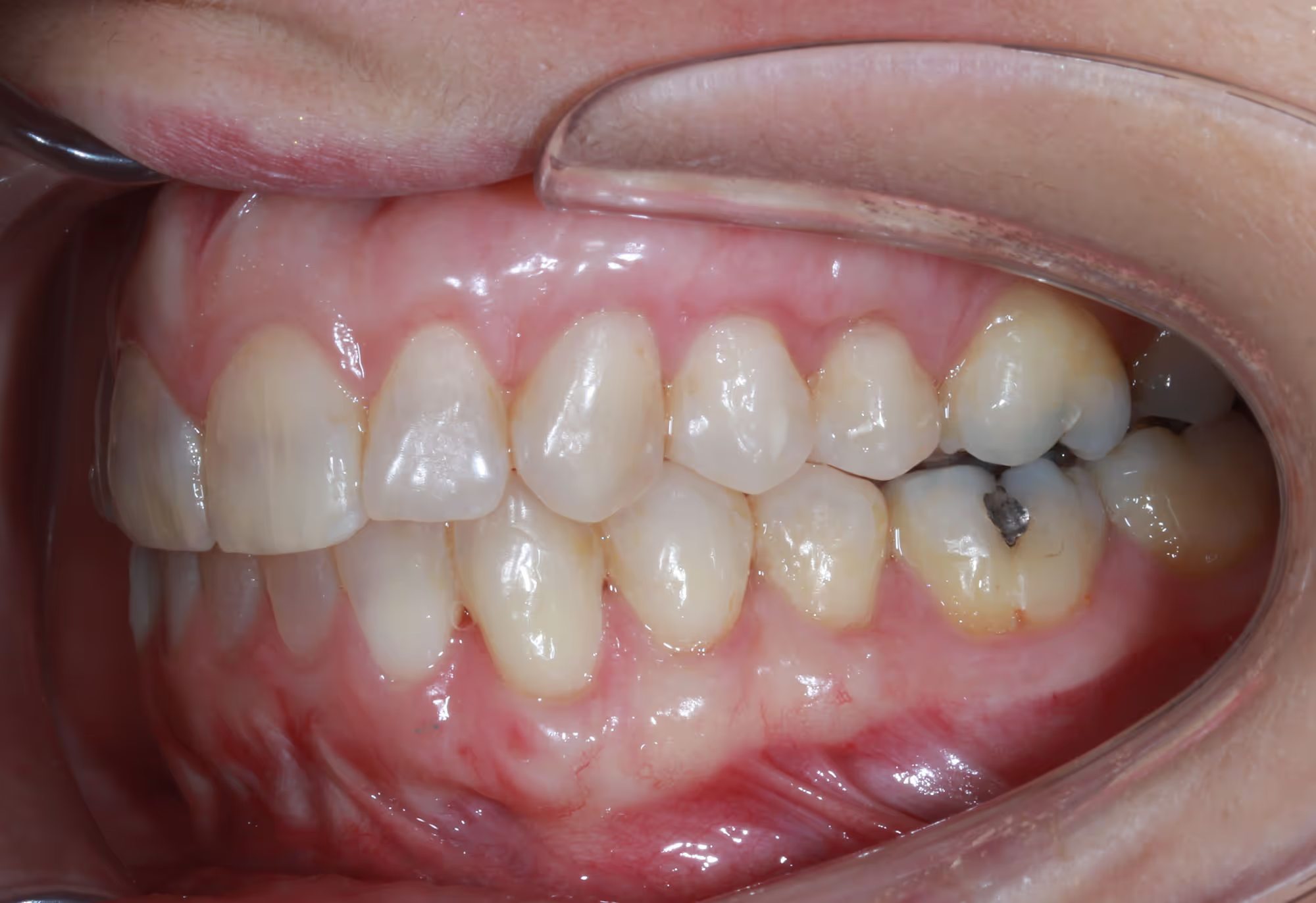
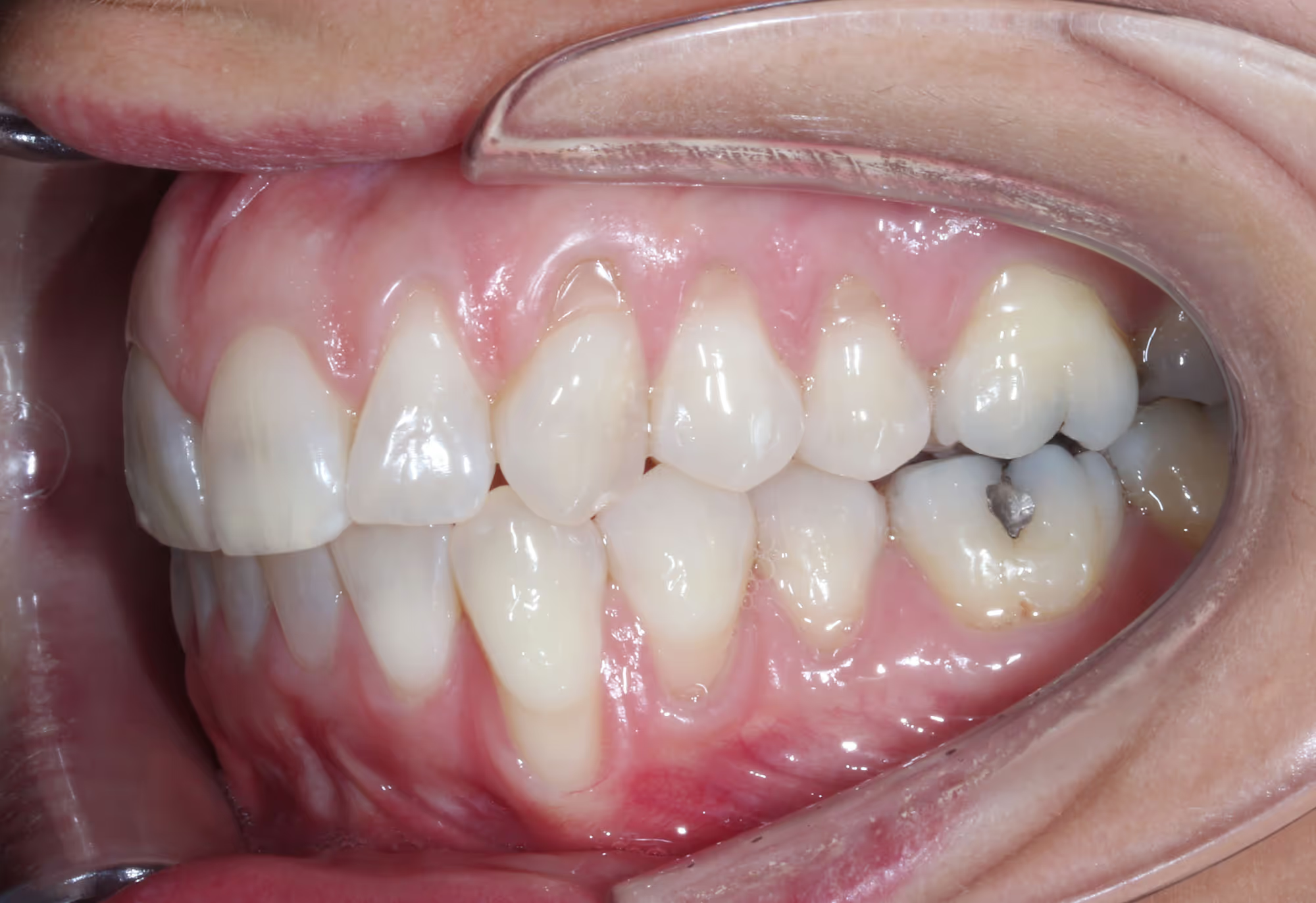
A gum graft involves taking a piece of tissue (usually from the palate) and placing it in the area where the volume or thickness of the gum needs to be improved.
It is a surgical procedure that aims to restore tissue lost through localised gingival recession or receding gums, a progressive condition caused by many factors.
Gum loss should be treated because it encourages root caries, increases tooth sensitivity and is associated with tooth loss and aesthetic problems.
Dr Mónica Martínez is a surgeon and periodontist with extensive experience in performing all types of grafts.
We are committed to answering all your questions as soon as possible.
Periodontal diseases do not usually cause pain. Red, swollen or bleeding gums can be some of the first warning signs, although bad breath or teeth that seem “loose” can also reflect a more advanced stage of the disease. The final diagnosis must be made by the dentist or periodontist. Likewise, if you notice any of these symptoms, it is best to visit the clinic so that the most appropriate periodontal treatment can be assessed.
Gingivitis is a common, mild form of gum disease (periodontal disease) that causes irritation, redness and swelling (inflammation) of the part of the gums around the base of the teeth. Early detection and prompt treatment are important.
Periodontitis is a serious gum infection that damages the soft tissue and destroys the bone that supports the teeth. Restoring the health of the supporting tissues is essential to keep the natural tooth in the mouth for as long as possible. Early detection and consistent treatment are important.